Muscles / Shoulders
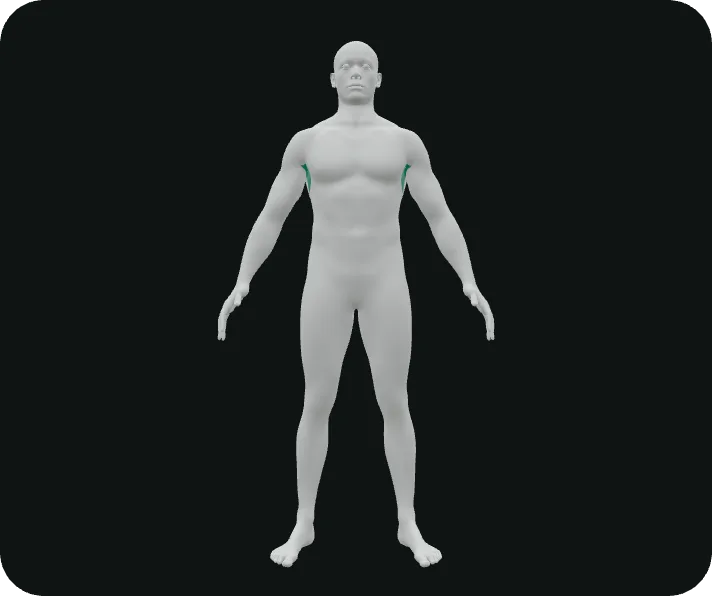
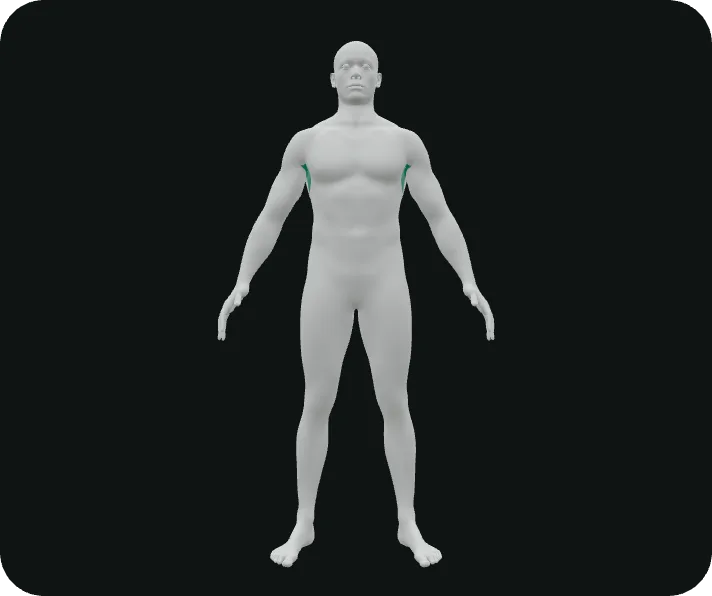
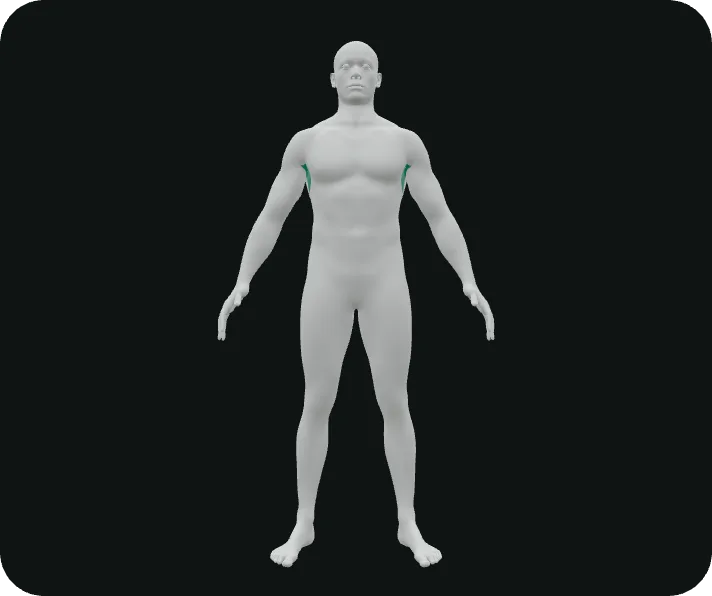
Serratus anterior
- Shoulders
- Shoulder & scapula
- Intermediate layer
Anatomy
- Origin
- External surfaces of the lateral parts of ribs 1-8 (or 9)
- Insertion
- Anterior (costal) surface of the medial border of the scapula, especially the inferior angle
- Nerve
- Long thoracic nerve (C5-C7)
Actions
- Protracts the scapula and holds it against the thoracic wall
- Upwardly rotates the scapula
- Posteriorly tilts the scapula during elevation
Exercises that train it most
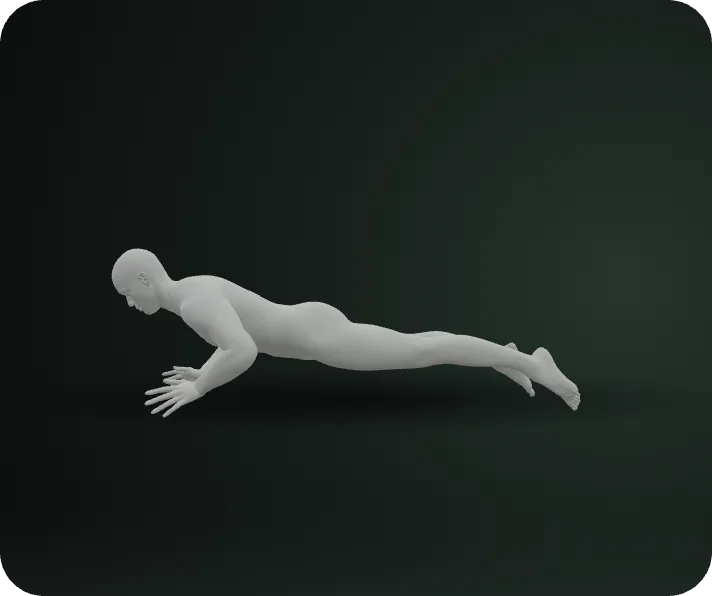
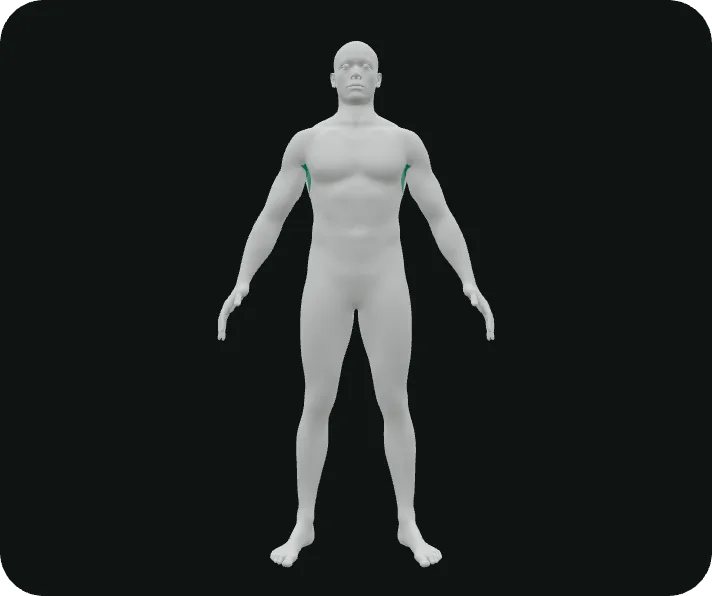
Also trained by
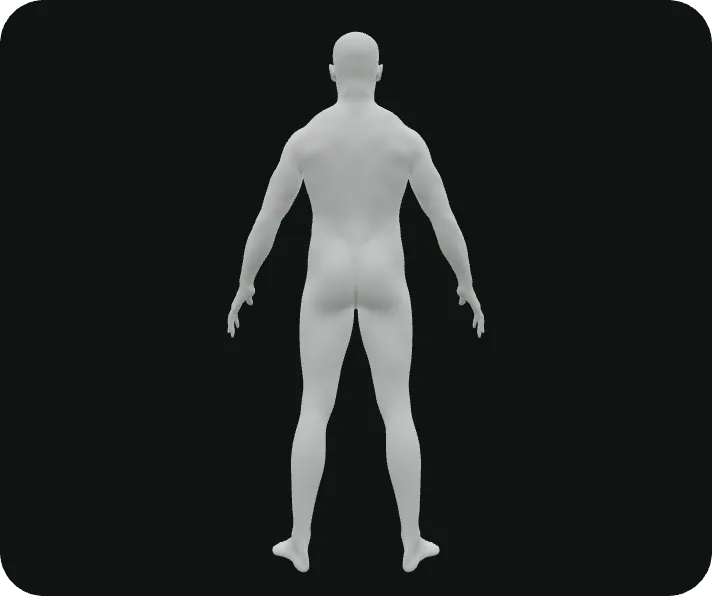 Full can (scaption with external rotation)
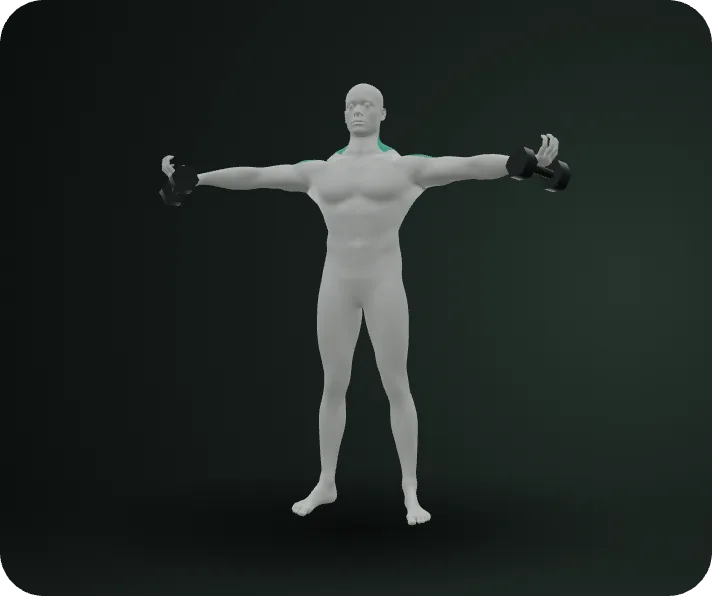 Lateral raise
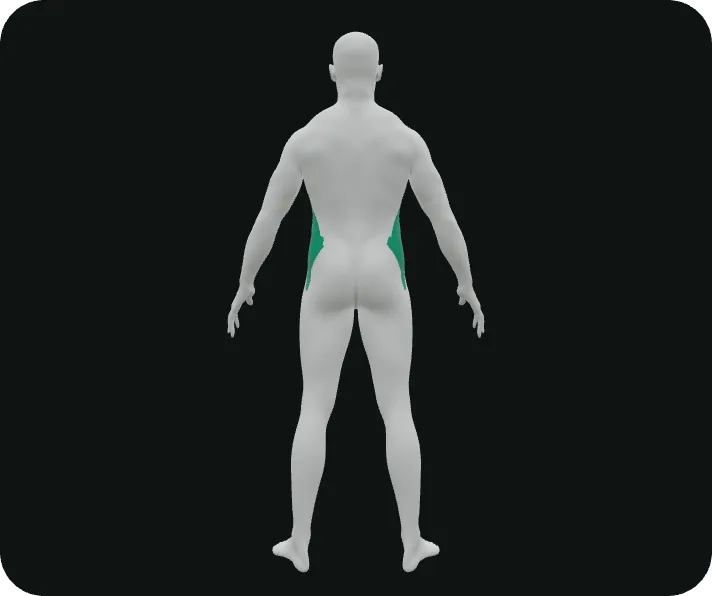 Side bridge (side plank)
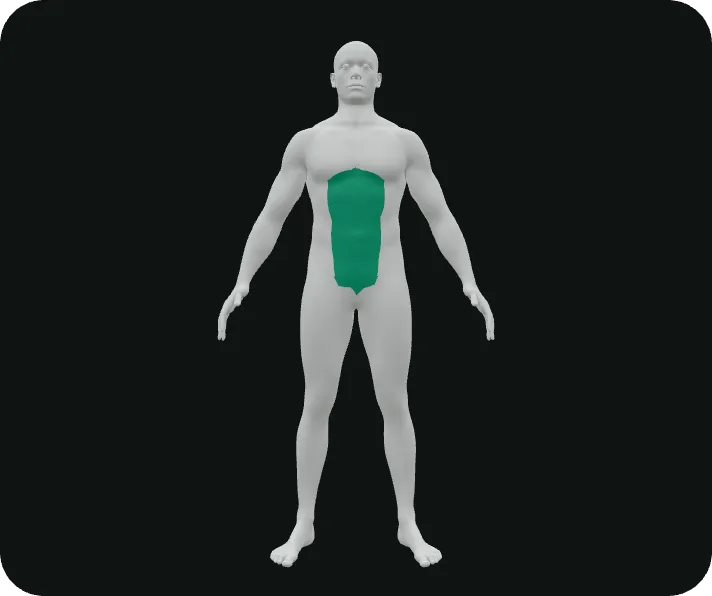 Front plank (elbow-toe)
 Dumbbell front raise
 Tall-kneeling overhead press
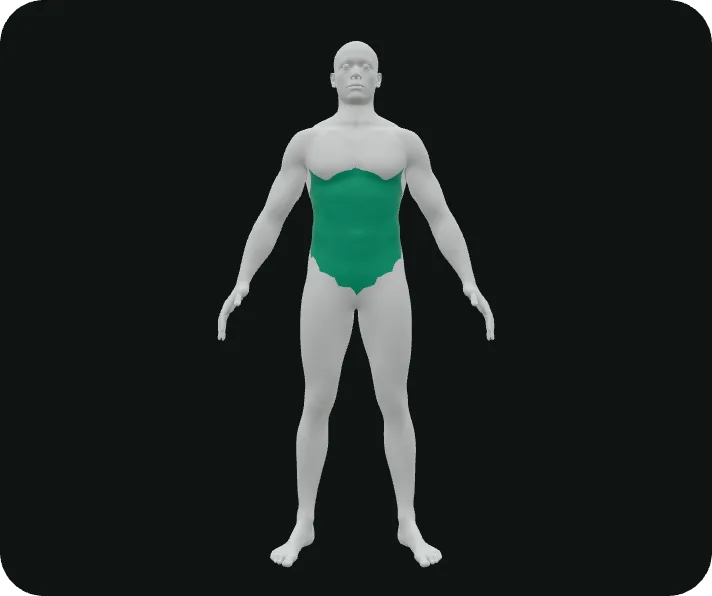 Bear hover
Notes
- Long thoracic nerve palsy causes medial scapular winging.
- Push-up plus gives the highest serratus activation with low upper trapezius activity.
References (7)
- Ludewig PM, Hoff MS, Osowski EE, Meschke SA, Rundquist PJ. Am J Sports Med. 2004;32(2):484-493. Relative balance of serratus anterior and upper trapezius muscle activity during push-up exercises
- Decker MJ, Hintermeister RA, Faber KJ, Hawkins RJ. Am J Sports Med. 1999;27(6):784-791. Serratus anterior muscle activity during selected rehabilitation exercises
- Hardwick DH, Beebe JA, McDonnell MK, Lang CE. J Orthop Sports Phys Ther. 2006;36(12):903-910. A comparison of serratus anterior muscle activation during a wall slide exercise and other traditional exercises
- Standring S, ed. Elsevier. Gray's Anatomy: The Anatomical Basis of Clinical Practice. 42nd ed.
- Dalley AF, Agur AMR. Wolters Kluwer. Moore's Clinically Oriented Anatomy. 9th ed.
- Neumann DA. Elsevier. Kinesiology of the Musculoskeletal System: Foundations for Rehabilitation. 3rd ed.
- Betts JG, Young KA, Wise JA, et al. OpenStax (free, openly licensed textbook). Anatomy and Physiology 2e