Muscles / Glutes
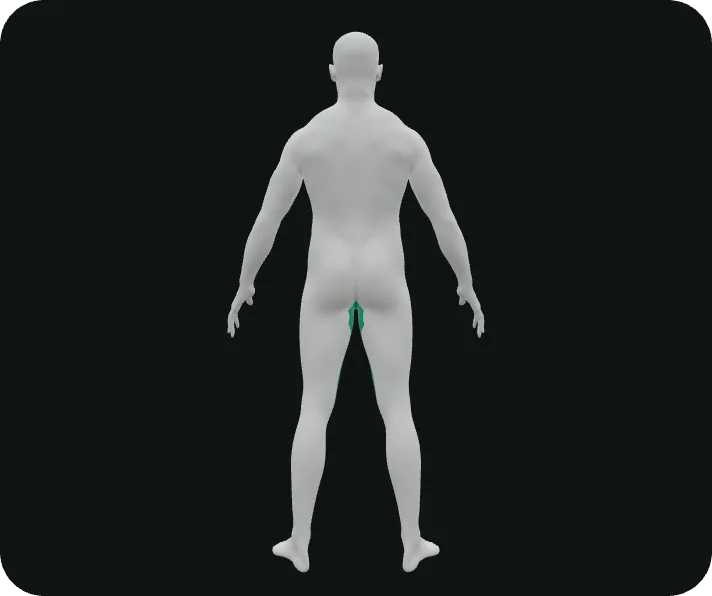
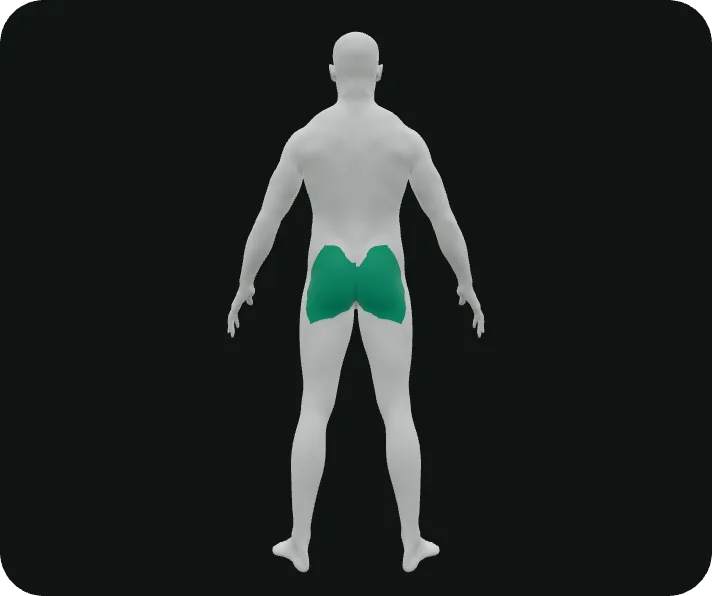
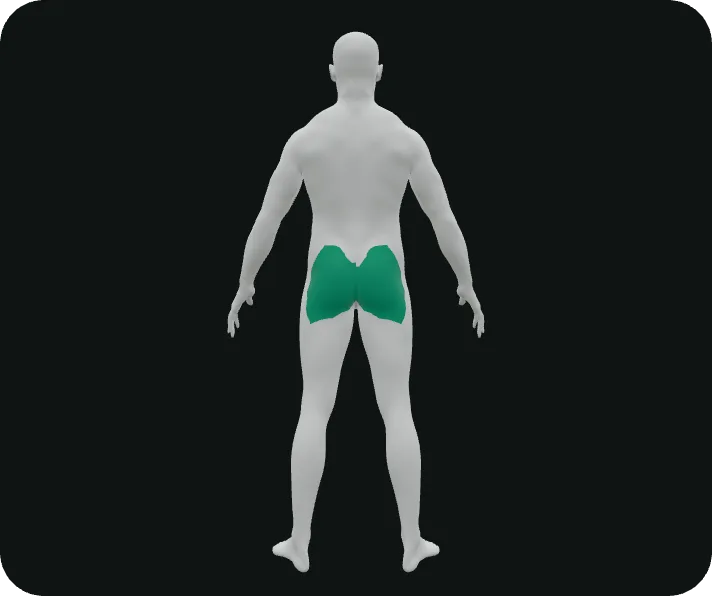
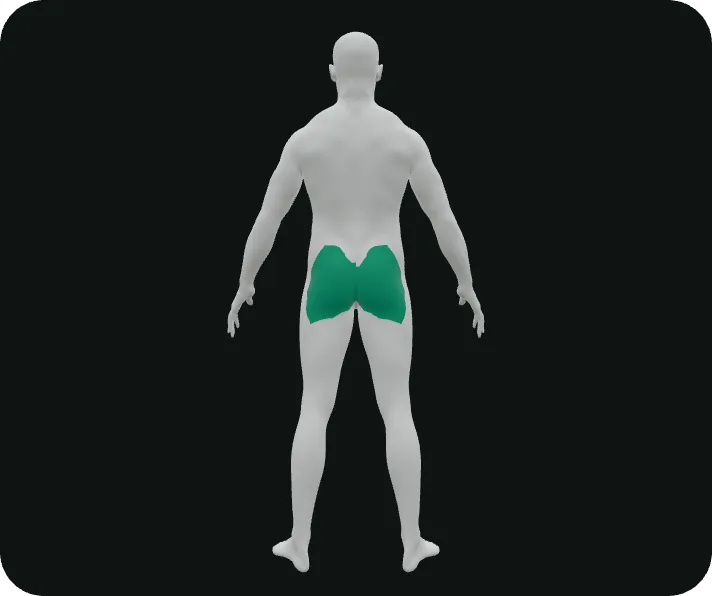
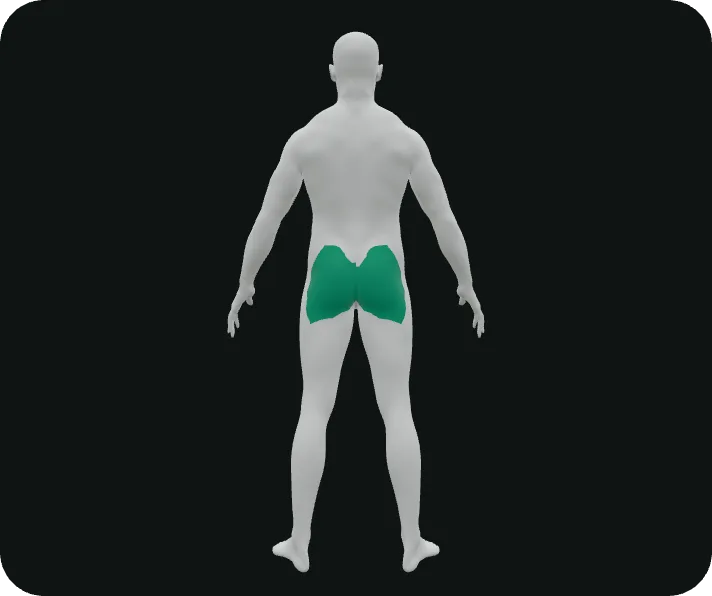
Gluteus medius
- Glutes
- Hip & gluteal
- Intermediate layer
Also called glute med, GMed.
Anatomy
- Origin
- External surface of the ilium between the anterior and posterior gluteal lines
- Insertion
- Lateral surface of the greater trochanter
- Nerve
- Superior gluteal nerve (L4-S1)
Actions
- Abducts the hip
- Anterior fibres medially rotate the hip
- Keeps the pelvis level in single-leg stance
Exercises that train it most
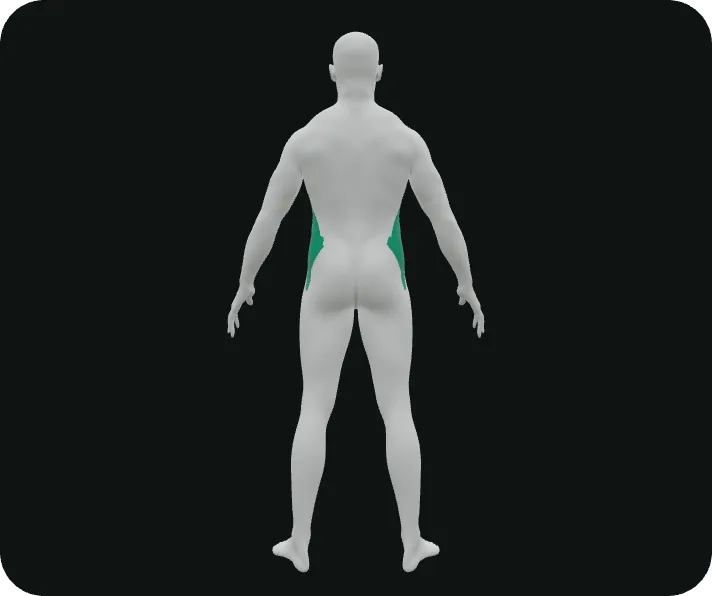 Side bridge (side plank)
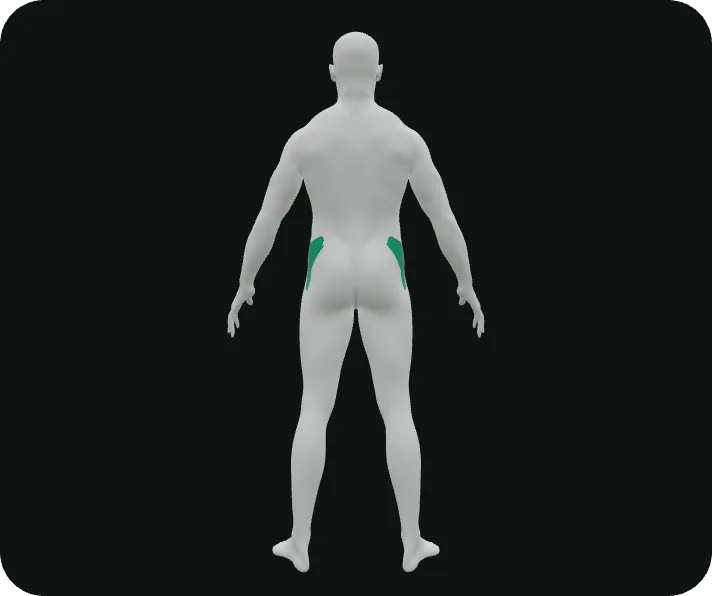 Side-lying hip abduction
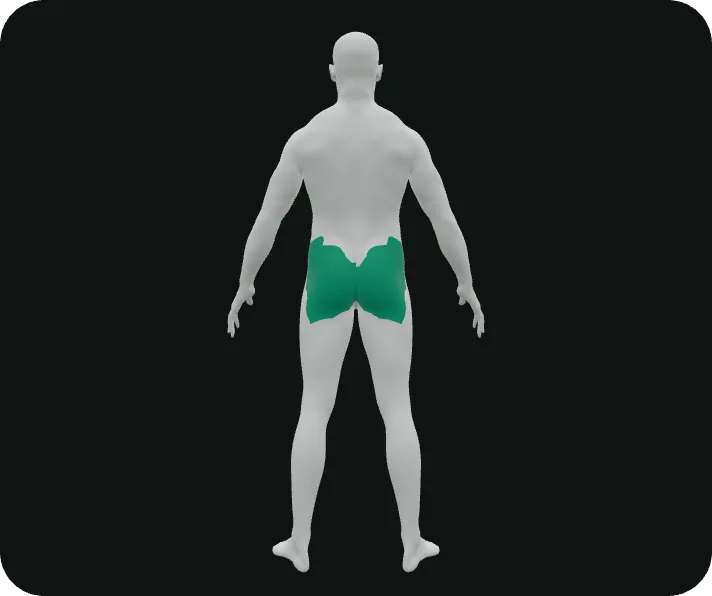 Clamshell
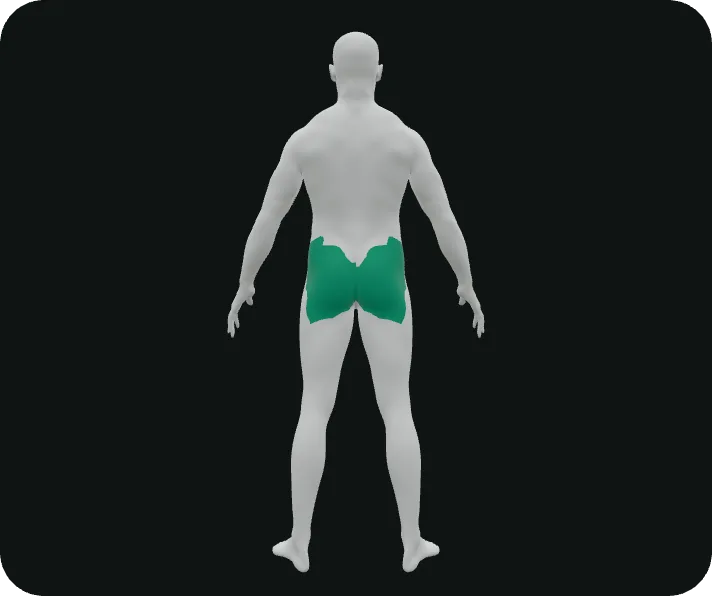 Lateral band walk (resisted side-stepping)
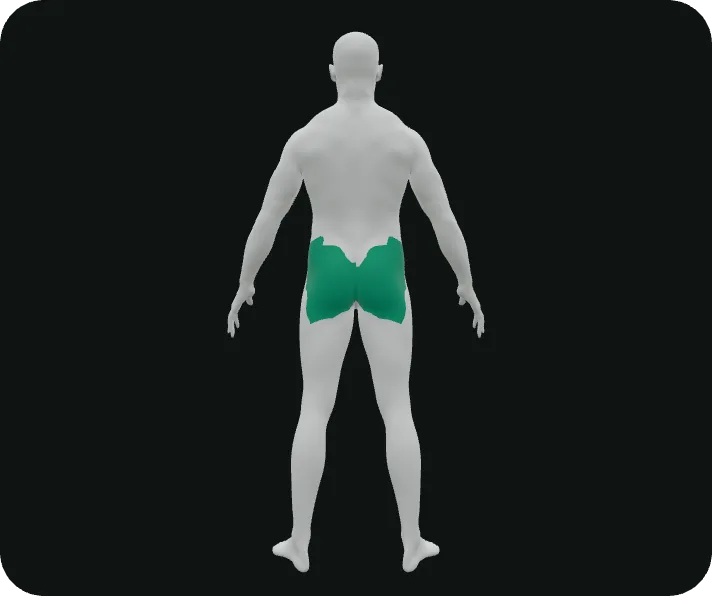 Side plank with hip abduction
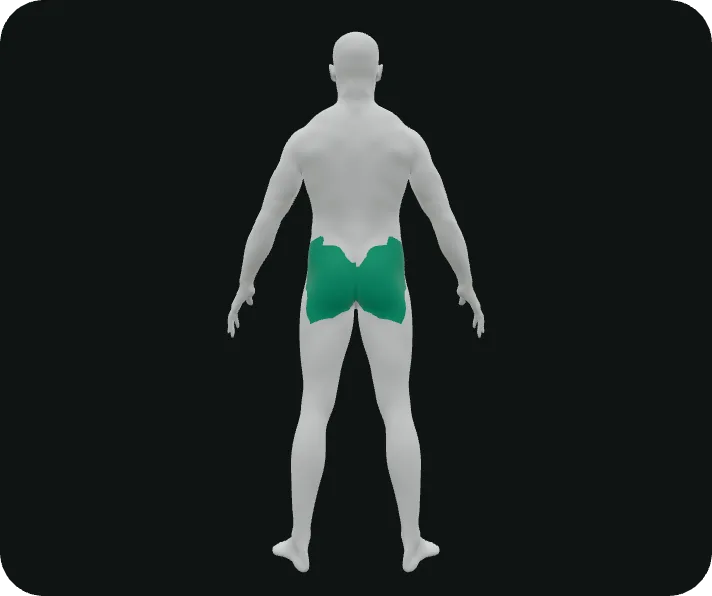 Front plank with hip extension
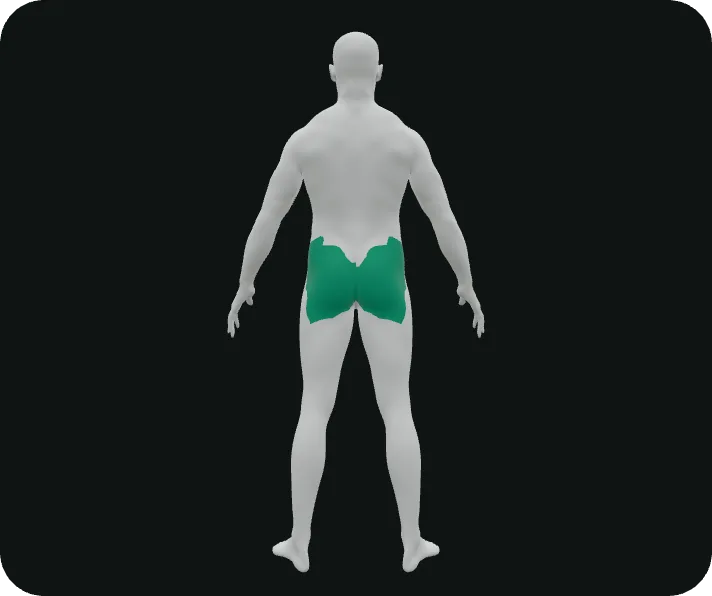 Single-leg bridge
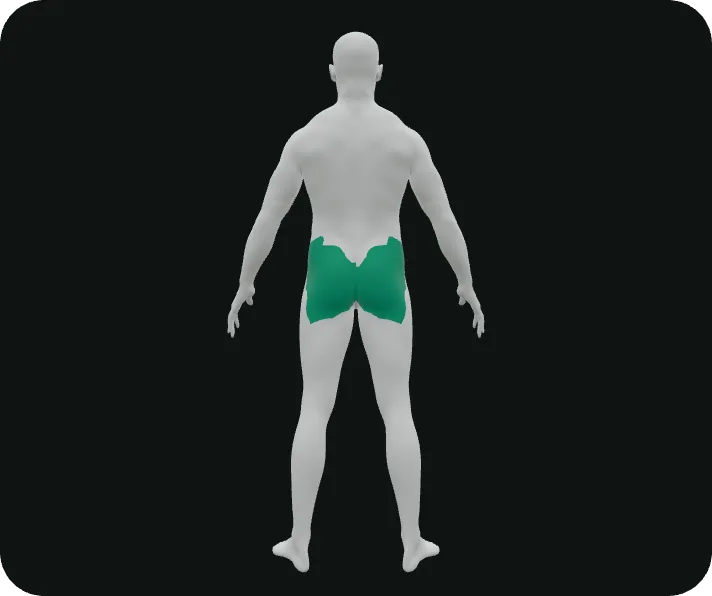 Single-leg squat
Also trained by
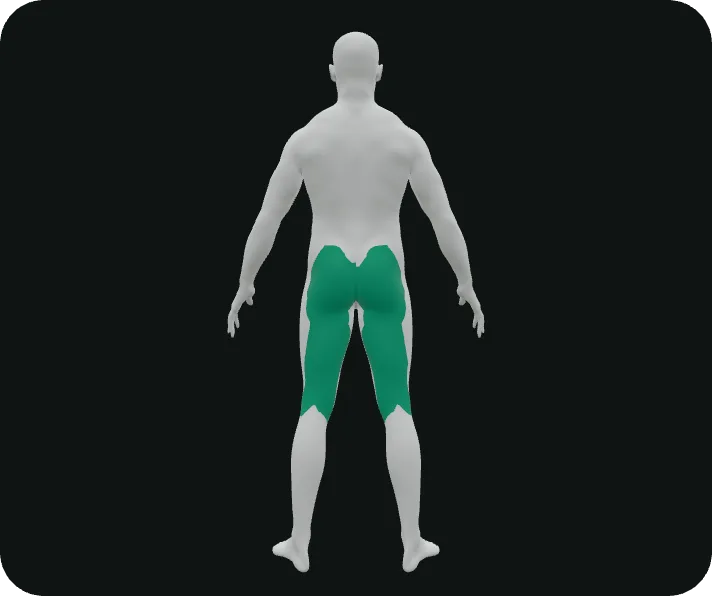 Bridge (supine hip extension)
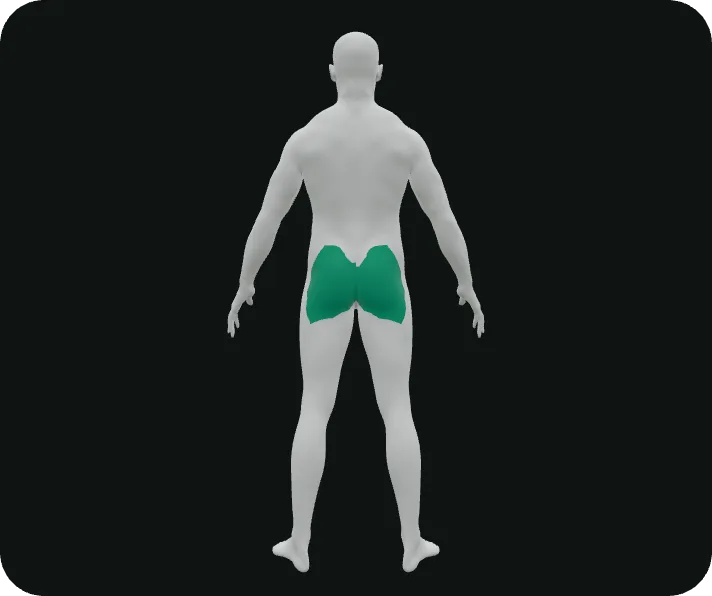 Supported standing hip extension
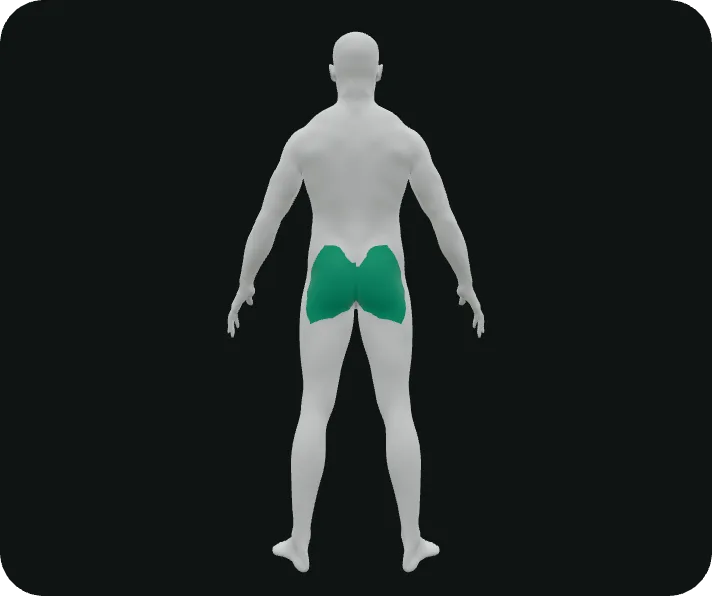 Quadruped hip extension
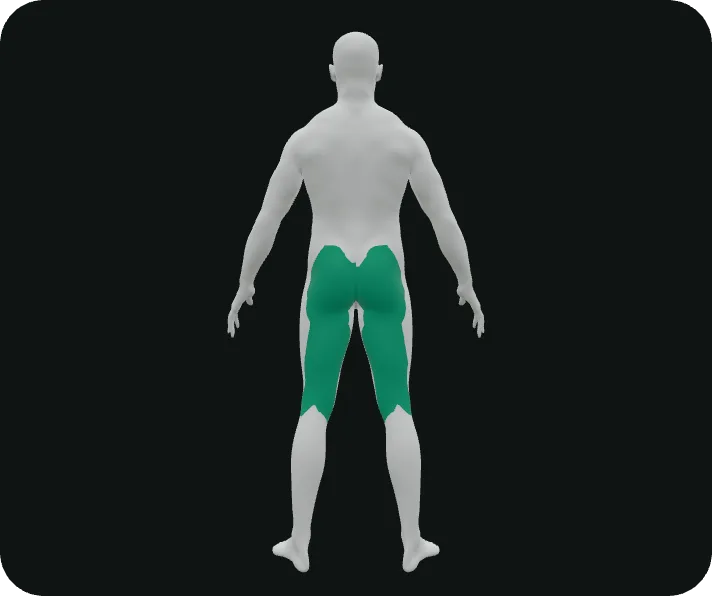 Single-leg deadlift
 Standing cable hip adduction
 Wall squat / wall sit
 Step-up (forward and lateral)
 Forward lunge
 Reverse lunge with dumbbells
 Single-leg balance progression
Notes
- Weakness causes a positive Trendelenburg sign (contralateral pelvic drop).
- Gluteal tendinopathy at the greater trochanter is a common cause of lateral hip pain.
- Side plank with abduction, side-lying abduction and single-limb squat produce high EMG.
References (6)
- Boren K, Conrey C, Le Coguic J, Paprocki L, Voight M, Robinson TK. Int J Sports Phys Ther. 2011;6(3):206-223. Electromyographic analysis of gluteus medius and gluteus maximus during rehabilitation exercises
- Distefano LJ, Blackburn JT, Marshall SW, Padua DA. J Orthop Sports Phys Ther. 2009;39(7):532-540. Gluteal muscle activation during common therapeutic exercises
- Standring S, ed. Elsevier. Gray's Anatomy: The Anatomical Basis of Clinical Practice. 42nd ed.
- Dalley AF, Agur AMR. Wolters Kluwer. Moore's Clinically Oriented Anatomy. 9th ed.
- Neumann DA. Elsevier. Kinesiology of the Musculoskeletal System: Foundations for Rehabilitation. 3rd ed.
- Betts JG, Young KA, Wise JA, et al. OpenStax (free, openly licensed textbook). Anatomy and Physiology 2e