Muscles / Hamstrings
Biceps femoris
- Hamstrings
- Thigh & knee
- Superficial layer
Anatomy
- Origin
- Long head: ischial tuberosity; short head: lateral lip of the linea aspera and lateral supracondylar line
- Insertion
- Lateral side of the head of the fibula
- Nerve
- Long head: tibial division of the sciatic nerve; short head: common fibular division (L5-S2)
Actions
- Flexes the knee
- Laterally rotates the flexed knee
- Long head extends the hip
Exercises that train it most
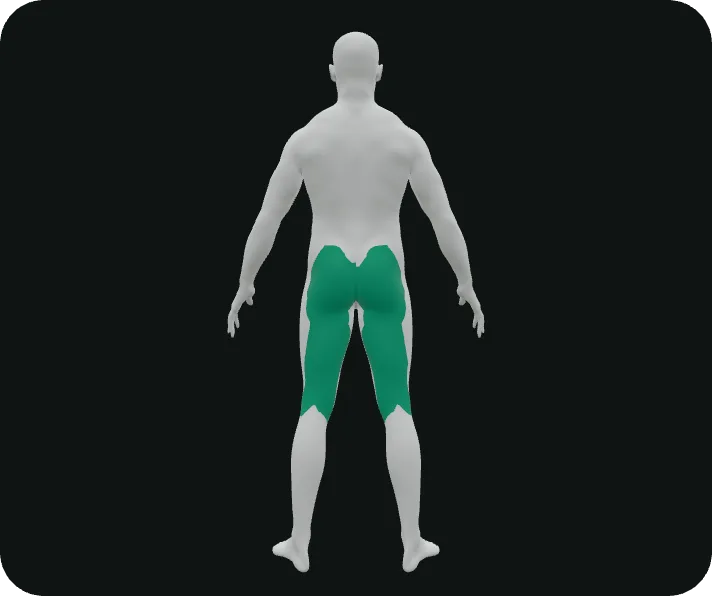 Bridge (supine hip extension)
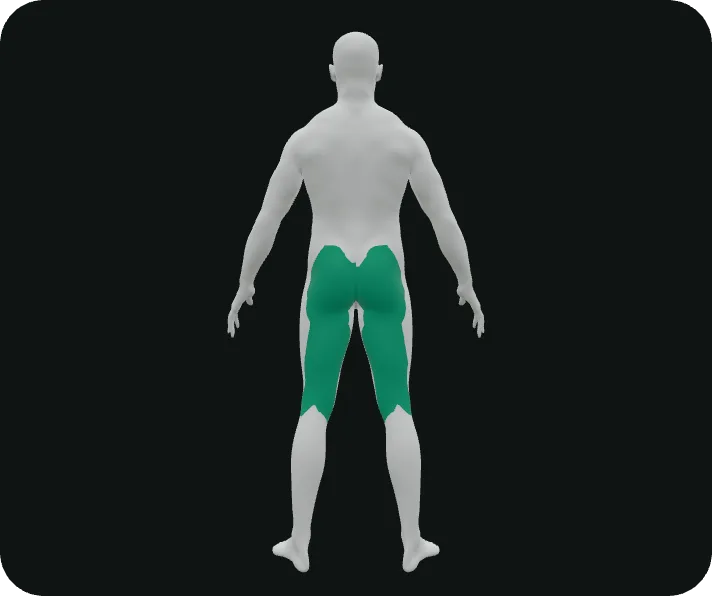 Single-leg deadlift
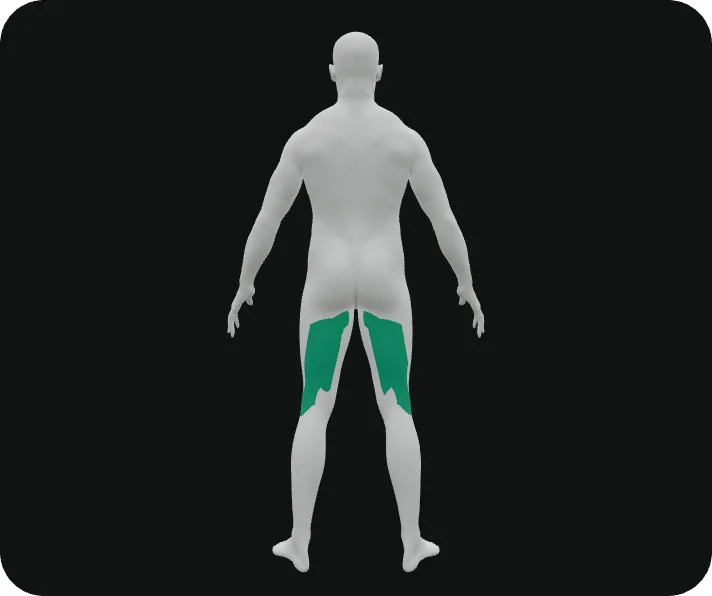 Nordic hamstring curl
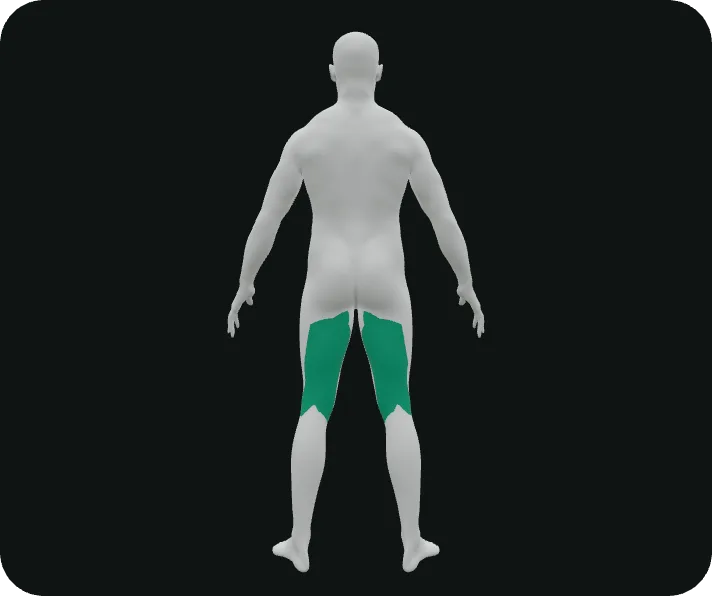 Supine hamstring strap stretch
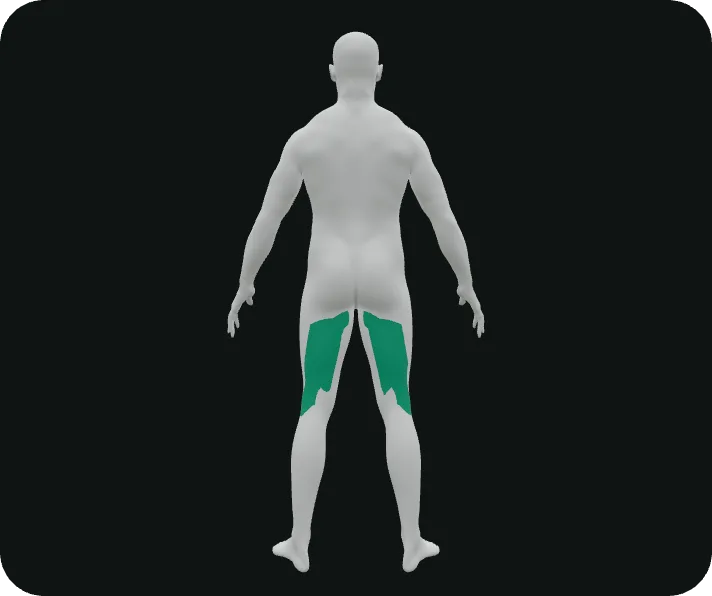 Stability-ball hamstring curl
Also trained by
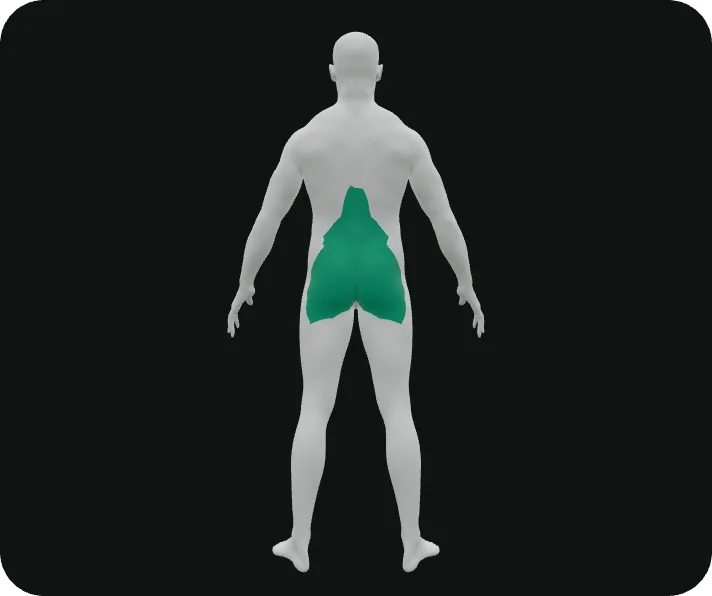 Bird dog (quadruped opposite arm and leg lift)
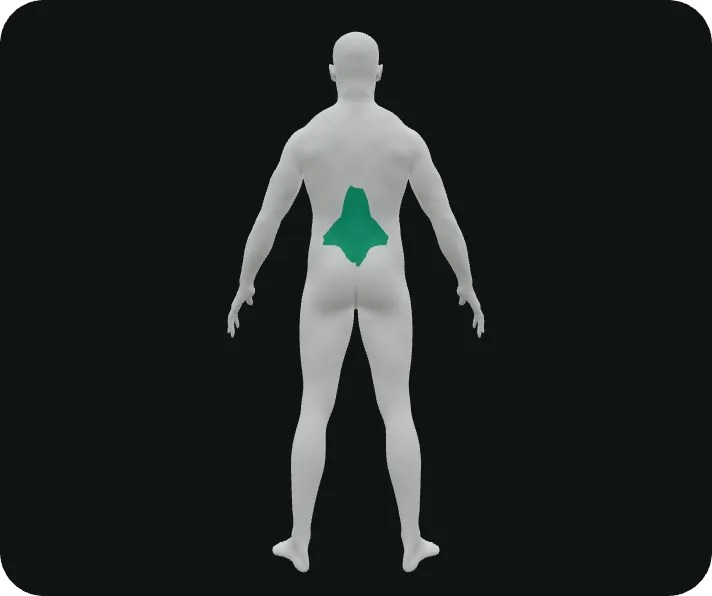 Prone trunk extension
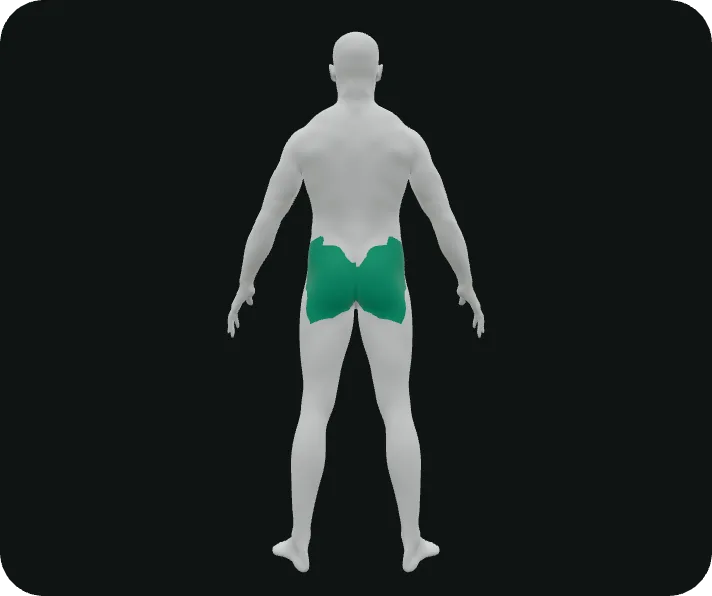 Front plank with hip extension
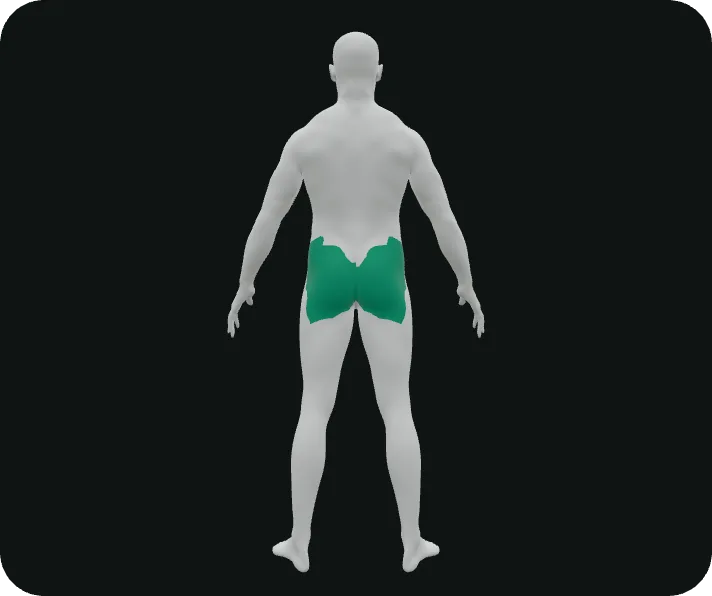 Single-leg bridge
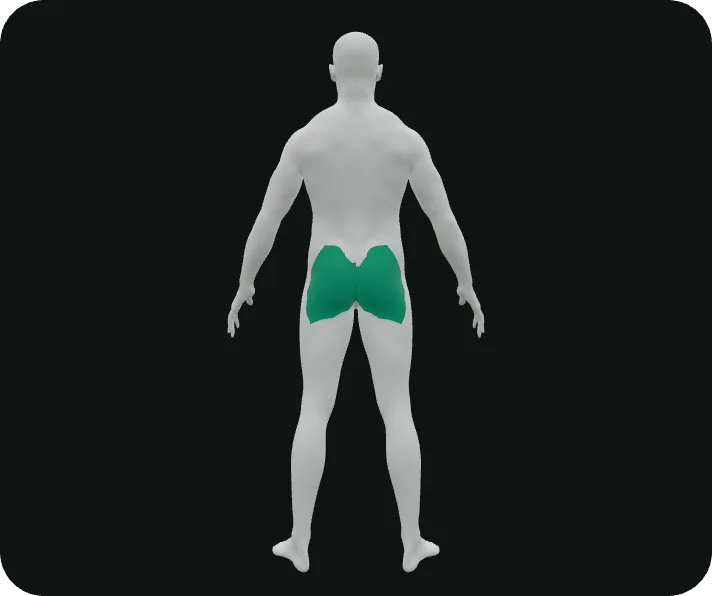 Barbell hip thrust
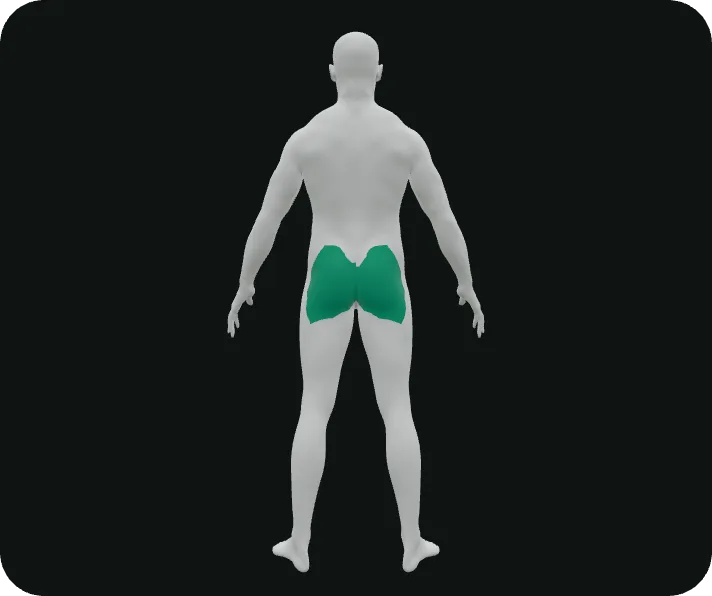 Supported standing hip extension
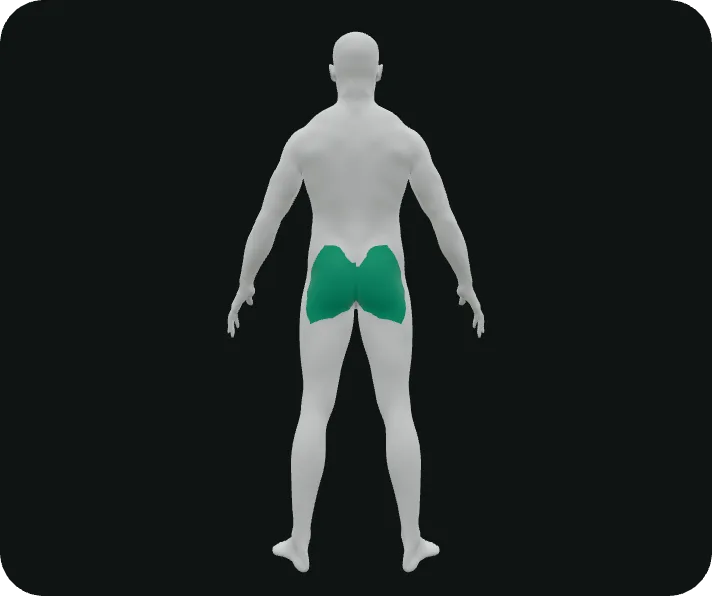 Quadruped hip extension
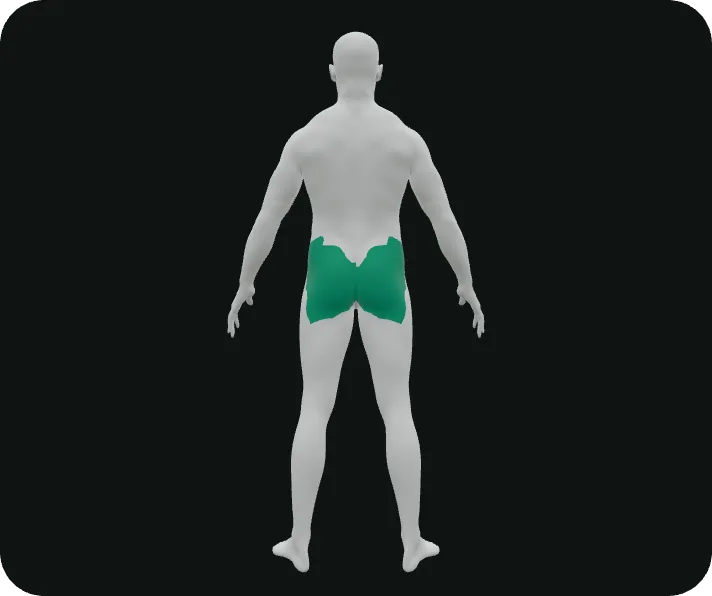 Single-leg squat
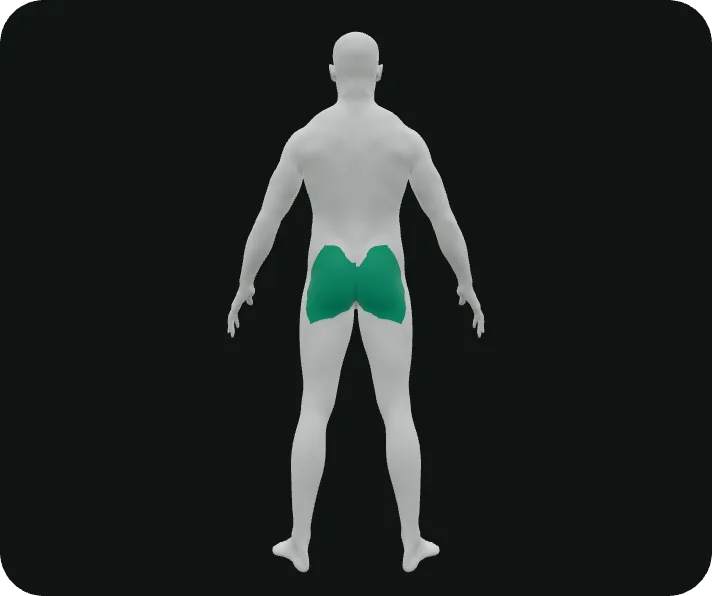 Wall squat / wall sit
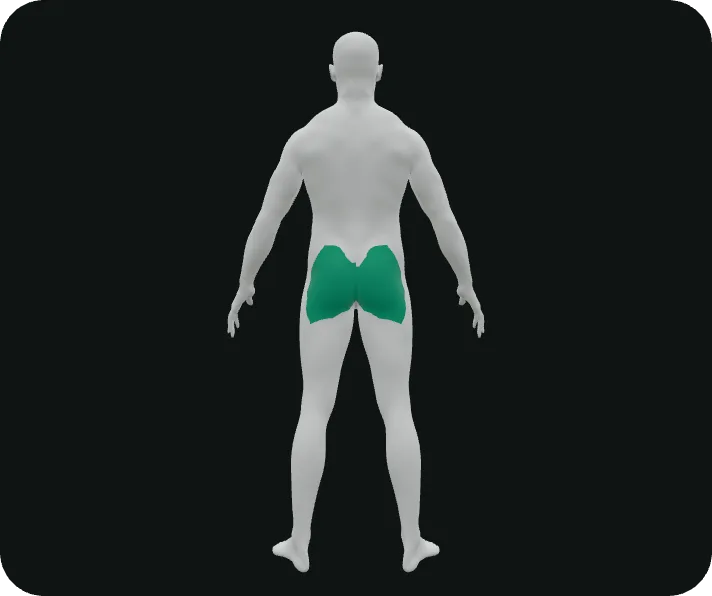 Squat
Squat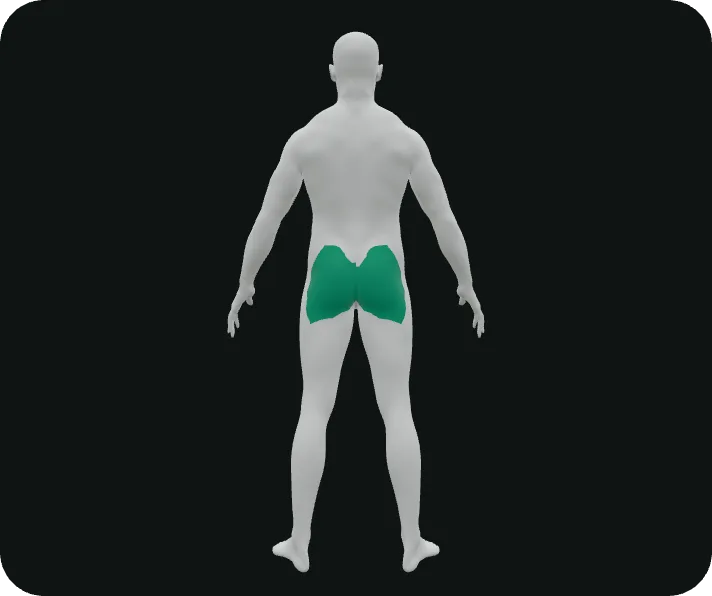 Reverse lunge with dumbbells
 Box squat to a chair
Parts
Notes
- The long head is the most commonly injured hamstring in high-speed running.
References (6)
- Bourne MN, Williams MD, Opar DA, Al Najjar A, Kerr GK, Shield AJ. Br J Sports Med. 2017;51(13):1021-1028. Impact of exercise selection on hamstring muscle activation
- Askling CM, Tengvar M, Thorstensson A. Br J Sports Med. 2013;47(15):953-959. Acute hamstring injuries in Swedish elite football: a prospective randomised controlled clinical trial comparing two rehabilitation protocols
- Standring S, ed. Elsevier. Gray's Anatomy: The Anatomical Basis of Clinical Practice. 42nd ed.
- Dalley AF, Agur AMR. Wolters Kluwer. Moore's Clinically Oriented Anatomy. 9th ed.
- Neumann DA. Elsevier. Kinesiology of the Musculoskeletal System: Foundations for Rehabilitation. 3rd ed.
- Betts JG, Young KA, Wise JA, et al. OpenStax (free, openly licensed textbook). Anatomy and Physiology 2e